If your home has changed from a furnace to a heat pump, the old thermostat schedule deserves a fresh look. Before copying previous settings, ask the installer how the new equipment and its controls work together. The useful starting point is the actual system in your home, not a universal temperature schedule.
Identify the equipment the thermostat controls
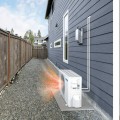
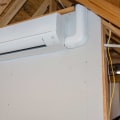
Keep the indoor unit, outdoor unit and thermostat model information together. Ask whether the system has electric resistance auxiliary heat or another backup arrangement. Also confirm which thermostat features are supported by that combination of equipment.
Our overview of smart thermostat benefits introduces common convenience features. For a heat pump, the next conversation should focus on how those features are configured for heating.
Ask about recovery after a setback
The Building America Solution Center's thermostat controls guidance describes heat-pump thermostats with adaptive recovery that aim to minimize auxiliary electric heating as the home returns from a setback to the desired temperature. This makes the control's capabilities relevant when discussing a daily schedule; the schedule alone does not describe how the system will recover.
Ask the technician whether your thermostat uses that feature, how it is set and what the manufacturer recommends. Avoid changing installer settings simply because an online example uses a different schedule. Equipment, backup heat and household needs differ.
Review automatic changes as well as your schedule
Walk through any enabled away mode, occupancy feature or app-based schedule with the installer. Write down what each feature does and how to override it temporarily. If several household members use the app, agree on who will make lasting changes.
Record the displayed indoor temperature, target temperature and time when comfort is poor. A photo of the thermostat display can help distinguish an unexpected schedule change from a service issue. Include any auxiliary-heat indication without assuming that the indicator alone proves a fault.
Arrange a follow-up with useful observations
Ask what behavior is expected during cold weather and when to call for service. Keep the approved settings and the service contact in the same place as the equipment information. If you later change the schedule, note the date and the reason so that a technician can understand what changed.
A clear handover conversation is more useful than chasing a single supposedly ideal setting. It gives you an operating plan suited to your installed system and a practical way to report comfort problems without guessing at their cause.